

How People Baked Bread Without an Oven
Introduction
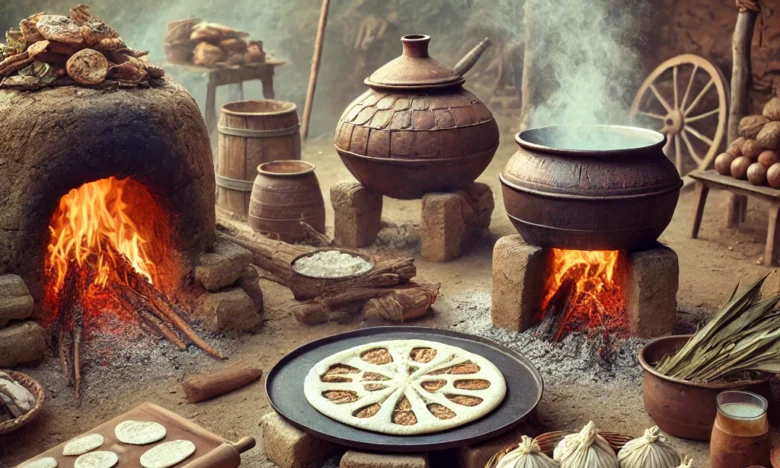
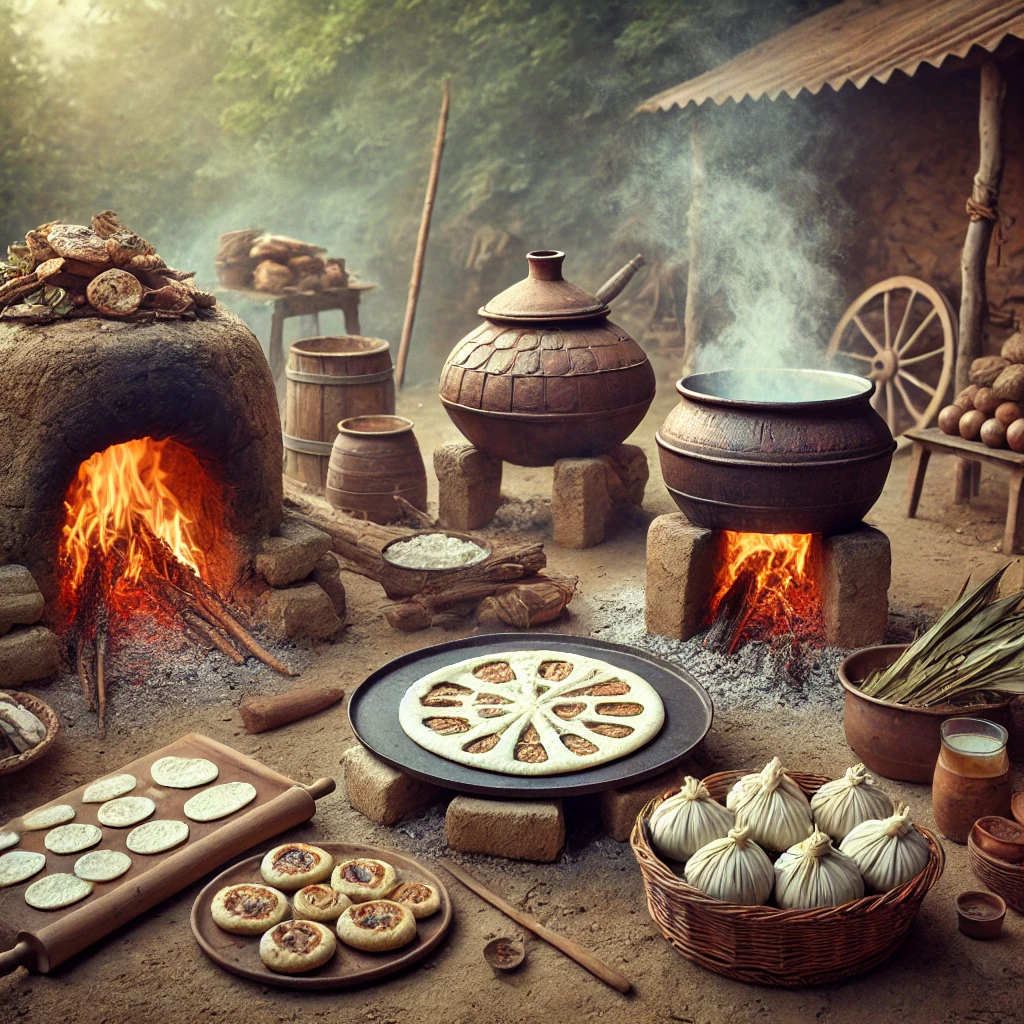
Before the invention of modern ovens, people around the world had to rely on innovative cooking methods to bake bread. From hot stones to clay pots and underground pits, baking bread without an oven was both an art and a necessity. Understanding these ancient techniques not only offers insight into culinary history but also provides practical methods for baking in off-grid or survival situations. In this article, we explore the lost cooking methods that allowed people to bake bread without an oven and how you can replicate them today.
Traditional Bread-Baking Methods Without an Oven
1. Baking on Hot Stones
One of the oldest methods of baking bread involves placing dough directly onto heated stones.
How It Works:
- Large flat stones are placed over a fire and heated until hot.
- Dough is shaped into flat rounds and placed on the stones.
- The heat cooks the dough from the bottom while the top is exposed to the open air.
- Some variations include covering the bread with another heated stone to create a primitive oven effect.
Examples in History:
- Native American tribes used hot stone baking for flatbreads like Bannock.
- Early Middle Eastern civilizations made Lavash and other flatbreads this way.
2. Clay Pot Baking (Tandoor-Style Baking)
Clay pots and ovens, such as the traditional tandoor, were widely used for baking bread.
How It Works:
- A clay pot or oven is preheated with fire or hot coals.
- Dough is placed against the hot inner walls of the pot.
- The intense heat quickly bakes the bread, creating a crispy outer layer and soft inside.
Examples in History:
- The Indian tandoor is famous for producing naan and roti.
- Ancient Egyptians used clay ovens to bake their daily bread.
3. Ash Baking
Ash baking involves burying dough in the hot ashes of a fire, a technique used in many ancient cultures.
How It Works:
- Dough is wrapped in leaves or placed directly into the ashes.
- The surrounding heat slowly cooks the bread, giving it a unique smoky flavor.
- After baking, the outer layer of ash is brushed off before eating.
Examples in History:
- Aboriginal Australians baked damper bread in the ashes of a campfire.
- Ancient Romans used a similar technique to bake simple wheat loaves.
4. Dutch Oven or Cast-Iron Pot Baking
Cast-iron pots and Dutch ovens have been used for centuries to bake bread over open fires.
How It Works:
- A cast-iron pot is preheated with coals or fire.
- The dough is placed inside the pot, and the lid is covered with additional coals.
- The heat from the surrounding coals creates an even baking environment similar to an oven.
Examples in History:
- Pioneers and early American settlers used Dutch ovens to bake bread while traveling.
- European peasants baked bread in cast-iron pots before the widespread use of brick ovens.
5. Underground Pit Baking (Earth Ovens)
A more advanced method of baking bread involved digging an underground pit and using heated rocks.
How It Works:
- A pit is dug and filled with hot stones.
- Dough is wrapped in leaves or placed in clay pots before being buried in the pit.
- The retained heat from the stones and earth slowly bakes the bread over several hours.
Examples in History:
- Polynesians used imu pits to bake breadfruit and other starchy foods.
- Ancient Andean civilizations baked corn-based bread in underground ovens.
How to Try These Methods Today
Interested in baking bread without an oven? Here are some ways to replicate these historical techniques:
- Use a pizza stone on a grill to mimic hot stone baking.
- Try a Dutch oven over an open fire for a classic pioneer-style bread.
- Experiment with ash baking by wrapping dough in foil or banana leaves before placing it in hot ashes.
- Build a simple clay oven in your backyard to recreate traditional tandoor baking.
- Dig a fire pit and line it with stones for an authentic underground baking experience.
Baking bread without an oven is not only possible but also a fascinating way to connect with culinary traditions from around the world. Whether using hot stones, clay pots, or underground pits, these techniques have stood the test of time. By reviving these lost methods, you can experience the flavors and craftsmanship of ancient baking firsthand.