

The Fascinating Journey of Chocolate From Ancient Rituals to Modern Treat
Introduction
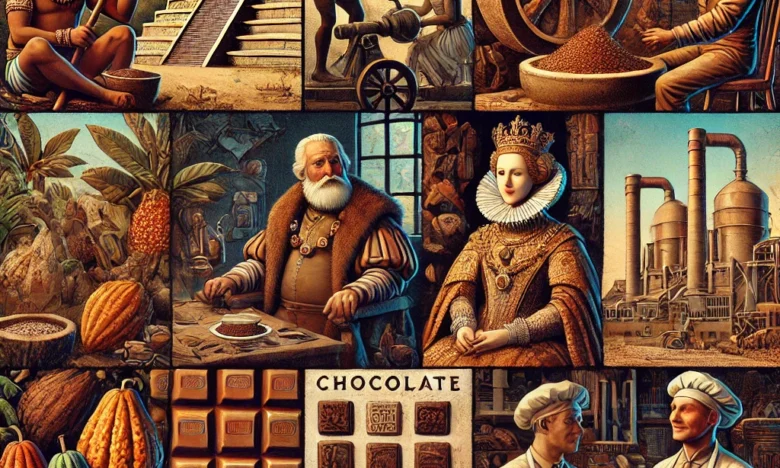
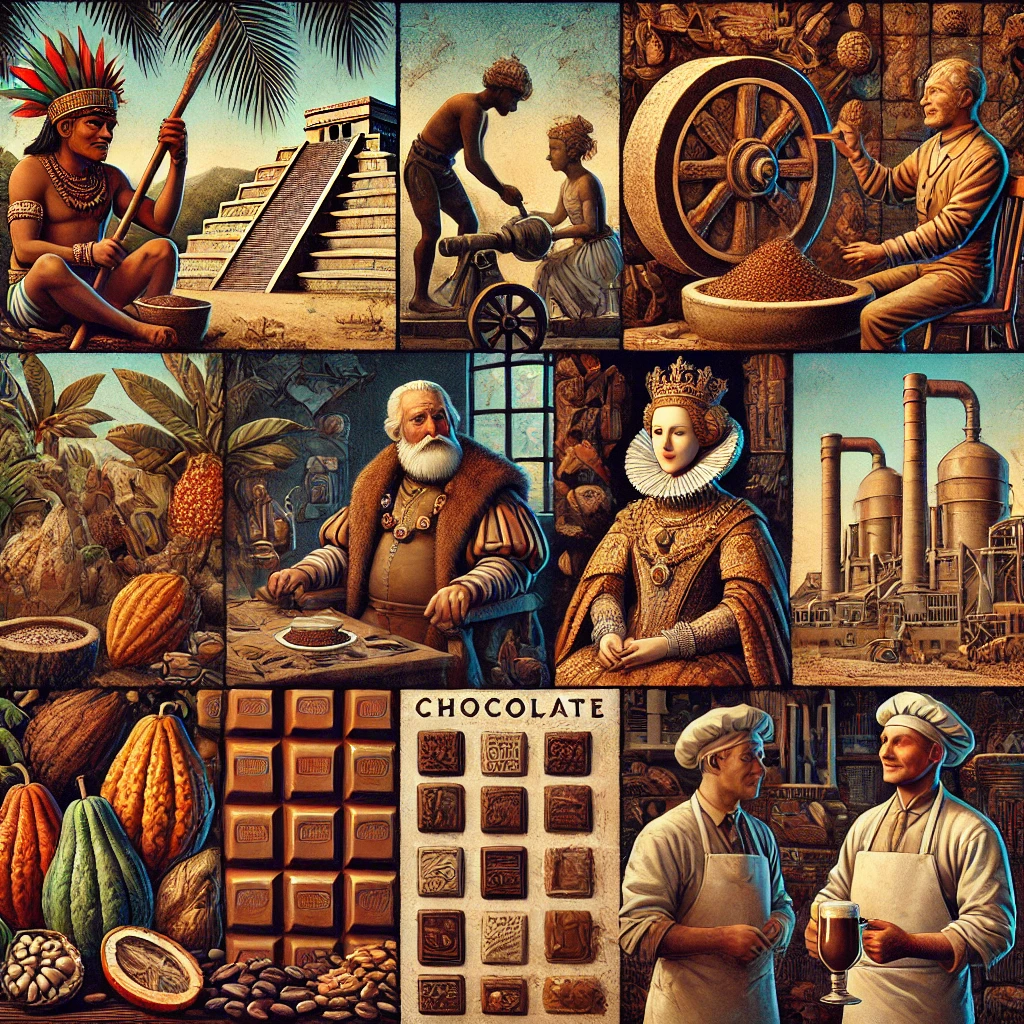
Chocolate has a rich and captivating history that dates back thousands of years. From being a sacred drink in ancient Mesoamerican cultures to becoming a beloved global treat, chocolate has undergone an incredible transformation. Today, it is enjoyed in countless forms, from decadent truffles to rich hot cocoa. But how did this once-ritualistic ingredient evolve into the sweet indulgence we love today? Let’s take a journey through time to uncover the fascinating story of chocolate.
The Origins of Chocolate: A Sacred Beverage
1. The Birthplace of Chocolate: The Ancient Maya and Aztecs
The earliest known use of chocolate dates back to the Olmecs (circa 1500 BCE) in present-day Mexico. However, it was the Maya and Aztecs who truly elevated cacao into an essential part of their culture.
How They Used Chocolate:
- The Maya brewed cacao into a bitter, frothy beverage, often mixed with chili peppers, vanilla, or spices.
- The Aztecs believed cacao was a divine gift from Quetzalcoatl, the god of wisdom, and used it in religious ceremonies.
- Cacao beans were so valuable that they were used as currency and offered to gods during rituals.
2. The Arrival of Chocolate in Europe
In the 16th century, Spanish explorers, including Hernán Cortés, introduced chocolate to Europe after encountering the Aztecs.
How Chocolate Changed in Europe:
- Spaniards sweetened the bitter drink with sugar and cinnamon, transforming it into a luxurious beverage for the aristocracy.
- By the 17th century, chocolate became a symbol of wealth, enjoyed primarily by European royalty and the elite.
The Industrial Revolution and Mass Production
3. From Handmade to Machine-Made Chocolate
The 19th century marked a turning point in chocolate production, thanks to major technological advancements.
Key Innovations:
- 1828 – Dutch chemist Coenraad Van Houten developed the cocoa press, which extracted cocoa butter from beans, leading to the creation of cocoa powder.
- 1847 – The first solid chocolate bar was created by Joseph Fry by combining cocoa powder, sugar, and cocoa butter.
- 1875 – Daniel Peter and Henri Nestlé invented milk chocolate, revolutionizing the industry.
4. The Rise of Chocolate Brands
With mass production, chocolate became widely accessible. Some of today’s most famous brands originated in this era:
- Cadbury (est. 1824) – Pioneered chocolate production in England.
- Lindt (est. 1845) – Introduced smooth, melt-in-your-mouth chocolate with the invention of conching.
- Hershey’s (est. 1894) – Made chocolate affordable for the masses in the U.S.
Modern Chocolate: From Bean to Bar
5. How Chocolate Is Made Today
The process of making chocolate has been refined, but it still follows the basic steps used by ancient civilizations.
Step-by-Step Process:
- Harvesting Cacao Beans – Cacao pods are hand-picked from trees in tropical regions.
- Fermentation & Drying – Beans are fermented for flavor development, then dried in the sun.
- Roasting & Grinding – Beans are roasted to bring out their rich flavors before being ground into cocoa mass.
- Mixing & Conching – Cocoa mass is blended with sugar, milk, and cocoa butter, then refined for a smooth texture.
- Tempering & Molding – Chocolate is tempered to ensure a glossy finish and solid texture before being shaped into bars or truffles.
6. The Future of Chocolate: Sustainable & Ethical Production
With growing awareness of environmental and ethical issues, the chocolate industry is evolving.
Trends in Modern Chocolate:
- Fair Trade & Ethical Sourcing – Brands are prioritizing sustainable cacao farming and fair wages for farmers.
- Bean-to-Bar Movement – Small-scale chocolatiers are focusing on artisanal production, highlighting the unique flavors of cacao beans.
- Healthier Alternatives – Dark chocolate with high cacao content is gaining popularity due to its antioxidants and lower sugar content.
Chocolate’s journey from an ancient sacred drink to a modern global delight is a testament to its enduring appeal. Whether enjoyed in a steaming cup, a delicate truffle, or a classic candy bar, chocolate continues to captivate and delight people worldwide. As innovations in sustainability and ethical sourcing grow, the future of chocolate looks just as exciting as its past.
nt rituals to modern treats. Explore its origins, history, and evolution from sacred drink to global delight.