

What Was on the Menu?
Introduction
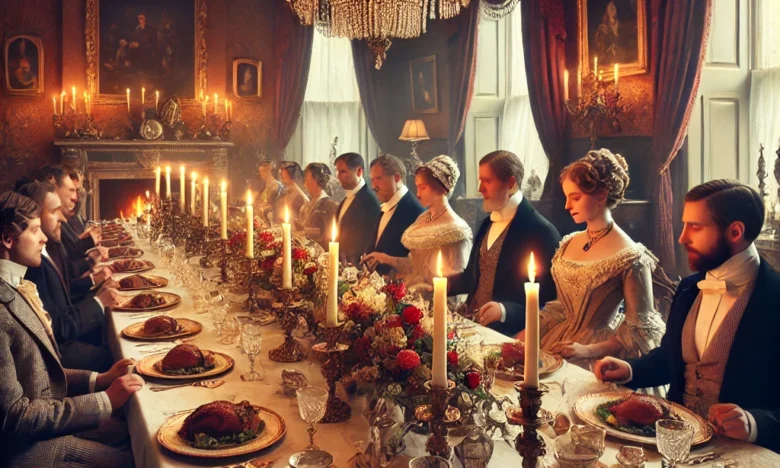
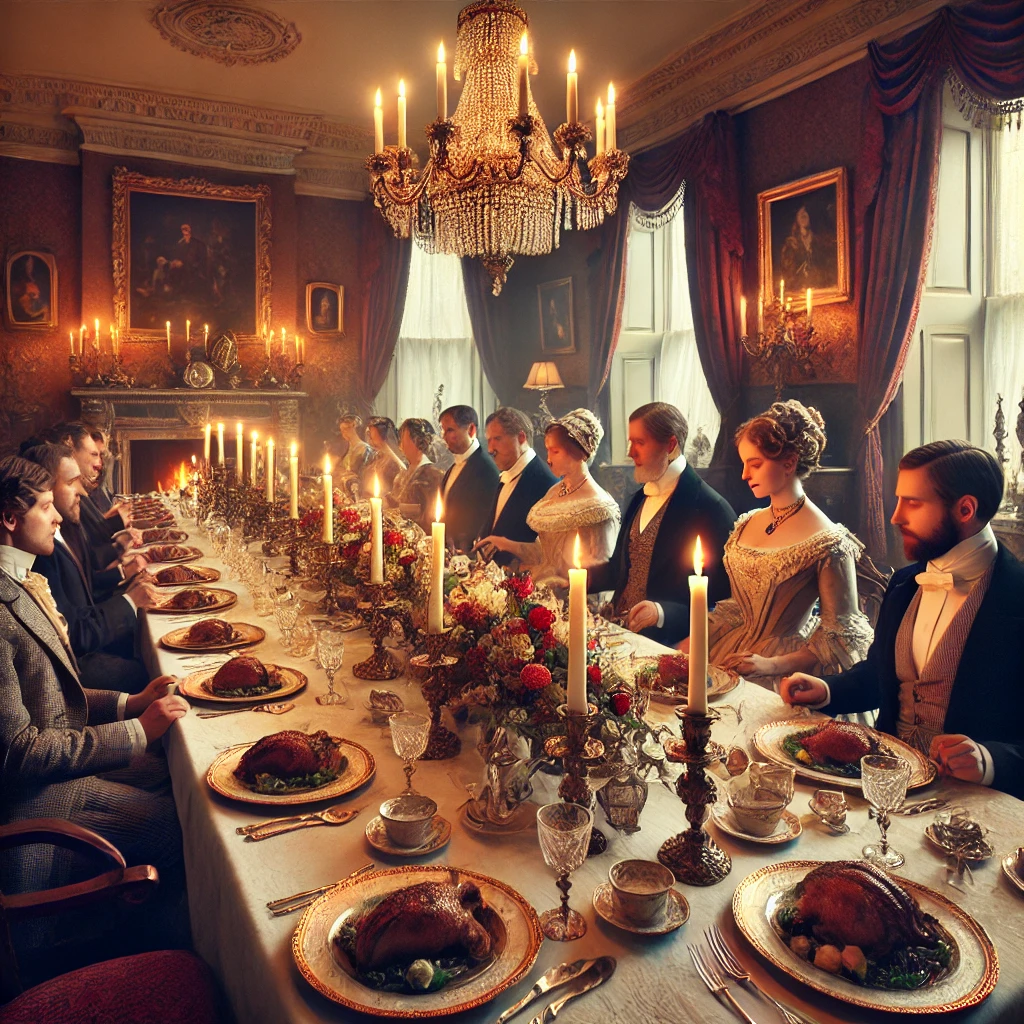
Victorian dinner parties were grand social events that showcased elegance, refinement, and an elaborate menu fit for royalty. These gatherings were not only about food but also about status, conversation, and etiquette. Hosts took great care in curating extravagant meals that reflected their wealth and culinary sophistication. But what exactly was on the menu at a Victorian dinner party? Let’s take a closer look at the dishes that graced the tables of the 19th century elite.
The Structure of a Victorian Dinner Party Menu
A Victorian dinner party typically featured a multi-course meal, often consisting of six to twelve courses. The courses followed a structured order, beginning with lighter dishes and gradually progressing to richer, more decadent options.
1. Appetizers & Soups
The meal often began with light appetizers and soups to whet the appetite.
Common Appetizers:
- Oysters on the half shell
- Canapés with pâté or caviar
- Pickled vegetables and relishes
Popular Soups:
- Mock Turtle Soup – A rich, gelatinous soup made with calf’s head or veal to mimic the flavor of turtle meat.
- Consommé – A clear, refined broth served with delicate garnishes.
- Potage Julienne – A vegetable soup with thinly sliced root vegetables.
2. Fish Course
Fish was an important part of the Victorian menu, often served with elegant sauces and garnishes.
Popular Fish Dishes:
- Salmon with Hollandaise Sauce – A delicate, buttery dish that showcased the sophistication of French cuisine.
- Turbot with Lobster Sauce – A luxurious combination of white fish and shellfish-based sauce.
- Deviled Whitebait – Small fried fish seasoned with mustard and spices.
3. Entrées & Roasts
The heart of a Victorian meal consisted of hearty meat dishes, often roasted or stewed with rich sauces.
Popular Entrées:
- Braised Beef à la Mode – Slow-cooked beef with root vegetables and a rich wine-based sauce.
- Calf’s Head with Brain Sauce – A delicacy enjoyed by the upper class.
- Sweetbreads in Cream Sauce – A dish made from the thymus or pancreas of calves, often served with a velvety sauce.
Roast Dishes:
- Roast Goose with Sage & Onion Stuffing – A festive centerpiece often enjoyed during special occasions.
- Roast Venison with Cumberland Sauce – A rich, gamey dish paired with a sweet and tangy berry sauce.
- Pigeon Pie – A classic meat pie filled with pigeons, mushrooms, and a thick gravy.
4. Side Dishes & Vegetables
Accompanying the main courses were carefully prepared vegetables and side dishes.
Common Side Dishes:
- Glazed Carrots – Slow-cooked carrots with sugar and butter.
- Asparagus with Butter Sauce – A simple yet elegant vegetable side.
- Yorkshire Pudding – A savory baked pudding often served with roast beef.
5. Desserts & Sweets
No Victorian dinner party was complete without an extravagant selection of desserts.
Popular Victorian Desserts:
- Charlotte Russe – A chilled dessert made of sponge cake and Bavarian cream.
- Trifle – A layered dessert with sponge cake, fruit, custard, and whipped cream.
- Nesselrode Pudding – A frozen dessert made with chestnuts, rum, and candied fruits.
- Mince Pies – Small pastry pies filled with a mix of spiced dried fruits and suet.
6. Cheese & Fruit Course
Before the meal concluded, guests enjoyed a selection of fine cheeses and fresh fruit.
Common Offerings:
- Stilton and Cheddar Cheese
- Fresh Grapes, Apples, and Pears
- Candied Ginger and Nuts
7. After-Dinner Drinks
To round off the evening, Victorian hosts served an array of beverages to aid digestion and encourage conversation.
Popular Drinks:
- Sherry or Port Wine – Traditional fortified wines served with cheese.
- Madeira Wine – A rich, aged wine from Portugal.
- Coffee & Tea – Often served with small biscuits or chocolates.
Conclusion
A Victorian dinner party was a grand affair, carefully curated to impress guests with exquisite flavors, elaborate presentation, and impeccable etiquette. The sheer variety of dishes, from decadent roasts to delicate desserts, showcased the sophistication of the era’s culinary traditions. If you’d like to experience a taste of history, consider recreating a Victorian-inspired dinner menu and transport yourself back to the elegance of the 19th century.